Introduction
In a world progressively worried about ecological sustainability, it's essential to scrutinize every item we use, including those that seem innocuous, like whip cream chargers. Whip cream charger tanks, typically filled with nitrous oxide (N2O), have become staples in kitchens, coffeehouse, and dessert bars globally. Nevertheless, the question occurs: what is their environmental impact? This post looks into the intricacies surrounding cream charger tanks, the nitrous oxide contained within them, and their total result on our planet.
The Environmental Effect of Whip Cream Charger Tanks
Whipped cream charger tanks serve a double function: they supply a convenient methods to give whipped cream and are typically used recreationally for their blissful impacts. Nevertheless, while numerous take pleasure in the benefits of these N2O cream battery charger tanks, couple of consider their environmental implications.
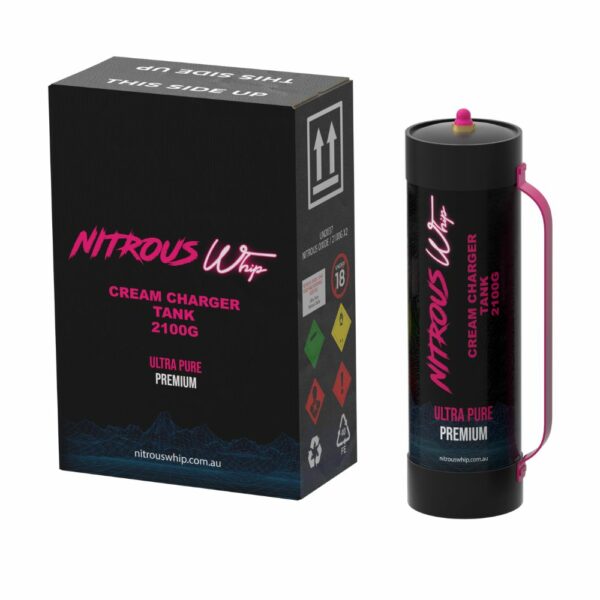
Understanding Nitrous Oxide and Its Effects
Nitrous oxide is a powerful greenhouse gas-- about 300 times more efficient at trapping heat in the environment than co2 over a century. When nitrous oxide is released into the environment, it adds to worldwide warming and ozone depletion. While the majority of people view nitrous oxide as safe or even helpful in medical settings, its leisure usage raises warnings concerning environmental responsibility.
Production of Whip Cream Charger Tanks
The production procedure of whip cream charger tanks involves extracting nitrous oxide from fossil fuels and mining operations. This extraction adds to ecological destruction through habitat destruction and pollution. Additionally, producing these chargers takes in energy and discharges greenhouse gases into the atmosphere.
Disposal Challenges: What Happens After Use?
Once you've enjoyed your whipped cream reward or siphoned off some whippits, what happens to the empty chargers? Numerous consumers do not get rid of their Nang canisters responsibly. Inappropriate disposal approaches consist of tossing them in routine garbage or littering, leading to prospective soil contamination and damage to wildlife.
The Life Cycle Analysis of Cream Chargers
A life process analysis (LCA) thinks about every phase of an item's life-- from basic material extraction through making to disposal:
Raw Product Extraction: As stated earlier, this action frequently leads to habitat destruction. Manufacturing: Energy-intensive procedures result in substantial CO2 emissions. Distribution: Transporting these chargers contributes even more to greenhouse gas emissions. Use: While using the item might appear harmless, it releases N2O into the atmosphere. Disposal: Improper disposal causes squander issues.Understanding this cycle helps clarify just just how much effect these tiny metal containers can have on our environment.
Sustainable Alternatives to Traditional Cream Chargers
As awareness grows concerning the ecological effect of whip cream charger tanks, manufacturers are exploring sustainable options:
- Biodegradable Canisters: These are designed to decrease waste. Refillable Systems: Instead of single-use canisters, refillable choices allow for decreased waste. Alternative Gases: Research is continuous into less hazardous alternatives to nitrous oxide.
These innovations could revolutionize how we think about whipped cream dispensers and their function in our culinary experiences.
Consumer Duty in Mitigating Environmental Impact
While manufacturers hold obligation for sustainable practices, customers need to also be proactive:
- Always recycle when possible. Opt for items with environmentally friendly certifications. Educate others about responsible disposal methods.
By making notified options, consumers can considerably lower their carbon footprint associated with using whip cream chargers.
Regulatory Actions Surrounding Nitrous Oxide Usage
In action to increasing issues about nitrous oxide's influence on environment change, governments worldwide are beginning to do something about it:

This shift signifies growing recognition that even little consumer items like whipped cream charger tanks deserve scrutiny under environmental regulations.
FAQs About Whip Cream Charger Tanks
1. What are whip cream charger tanks made of?
Whipped cream charger tanks are typically made from steel or aluminum designed to hold pressurized nitrogen gas safely.

2. How do I get rid of empty nang canisters responsibly?
Most areas enable you to recycle empty containers; check local guidelines for specifics on recycling programs.
3. Can using nitrous oxide cause health risks?
Yes, leisure usage can cause oxygen deprivation and other health issues if misused; always seek advice from an expert if unsure.
4. Are there environment-friendly alternatives available?
Yes! Options include naturally degradable containers and refillable systems which help reduce waste significantly.
5. How does nitrous oxide add to climate change?
Nitrous oxide is a powerful greenhouse gas that traps heat in the atmosphere even more successfully than co2 over time.
6. Can I recycle my whipped cream charger tank?
Many consumers discard them after one use; however, refillable alternatives exist that allow you to reduce waste significantly.
Conclusion
In conclusion, while whip cream charger tanks might appear insignificant in our lives or culinary adventures, they bring substantial weight worrying our planet's health. Understanding the environmental impact of whip cream battery charger tanks requires all of us-- manufacturers and consumers alike-- to consider both https://anotepad.com/notes/f45e83qa our practices and choices carefully. Progressing towards sustainable practices will guarantee we preserve our environment while still delighting in life's little enjoyments like whipped toppings atop desserts or coffee beverages guilt-free!
This post has explored different facets worrying whip cream chargers' ecological effect-- from production processes impacting communities down through customer behavior impacting waste management strategies-- highlighting how interconnected these issues really are!